Terylene Polyester
Terylene fabric is a synthetic polyester material that has become increasingly popular in the fashion industry, being lightweight yet strong, wrinkle-resistant and durable, making it perfect for many garments.
Terylene (a type of polyester fabric) is generally not naturally waterproof, but it also does not absorb much water.
How much it “leaks” depends on the fabric weave and coating:
- Thin or loosely woven terylene: water can pass through eventually.
- Dense weave terylene: more water-resistant.
- Coated terylene (PU/PVC/silicone coating): can be waterproof and used for tents, rainwear, bags, etc.
- A regular terylene shirt: breathable, not waterproof.
- A terylene anorak or poncho cape: usually coated, so it resists leaking.
- Under pressure or prolonged rain: untreated terylene may seep water.
Its durability makes it an excellent choice for outdoor items which need to withstand wear and tear from wind and rain. This makes it an ideal material for rainwear such as anoraks, rain capes, and ponchos. It has a supple suede finish on the outside and is used for making garments like jackets.
Polyester combines well with natural fibres, such as cotton. Terylene cotton is a blend of synthetic fiber with natural fiber to make some nice clothing. Polyester microfiber fabric with a special waterproof coating is 100% waterproof.
This makes it an ideal material for rainwear such as anoraks, rain capes, and ponchos. Terylene is incredibly strong and durable. It’s resistant to tears, scuffs, stains, wrinkles and fading so you can be sure your project will stand the test of time.
Care
In addition to its strength and durability, Terylene is also easy to clean and maintain which saves time on upkeep.
Its wrinkle-free nature means you won’t have to worry about constantly ironing clothes made from this fabric.
This winning combination makes Terylene clothes both easy to care for and comfortable on and and in the water.
History
Terylene was the first polyester fabric ever produced. It was patented in 1941 by British inventors John Rex Whinfield and James Dickson. Initially it was kept secret and used to develop materials during World War 2.
Terylene was exhibited at the Imperial Chemical Industries in 1946, and by the early 1950s the first polyester clothes were commercially available. Dacron® was one of the first forms of Terylene to be produced commercially and it remains very popular today.
Terylene is a specific form of polyester, more specifically polyethylene terephthalate,
the most common thermoplastic polymer resin of the polyester family, often abbreviated PET.
It is created via the extraction and mixing of ethylene glycol and terephthalic acid.
When turned into a fibre with dyes and other treatments,
it becomes a great synthetic fabric with a lot of potential in different sectors.
Clothes for Wet Fun
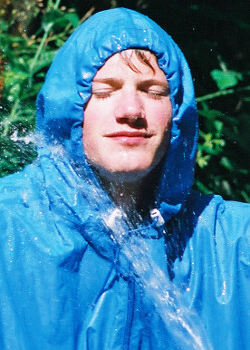
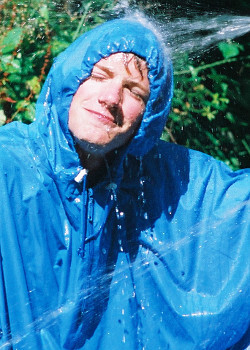
Terylene is an excellent fabric for robust water resistant clothes, but will eventually let water through and soak the clothes underneath. Try it under the shower or with a hose pipe to see how long it takes until your clthes underneath are soaked to the skin.
A tight fitting hood will keep you dry a little longer, but soak you slowly via the face opening during any wet adventures or splash games. Enjoy!